
Introduction
Imagine such a scene: The production line of a certain dairy factory was suddenly ordered to stop, and the reason was that the oil in the compressed air contaminated the milk packaging. This is no exaggeration – in precision manufacturing fields such as food and medicine, the oil mist hidden in the seemingly colorless compressed air may become an “invisible killer” of quality accidents. Today, let’s talk about the selection philosophy of this “air manufacturing machine” in the industrial field: How to choose between oil-free air compressors and oil-lubricated air compressors?
Technical Anatomy: What Role Does Oil Play in Machines?
Oil-lubricated air compressors: Oil is a “jack-of-all-trades”
This type of air compressor is like a car engine with engine oil added. The lubricating oil serves multiple functions:
Lubrication Master: In oil-injected screw machines, the oil film acts like a lubricant to reduce rotor friction.
Cooling expert: When a piston compressor is in operation, the engine oil can carry away 80% of the compression heat.
Sealing expert: The oil film fills the rotor gap and enhances the compression efficiency.
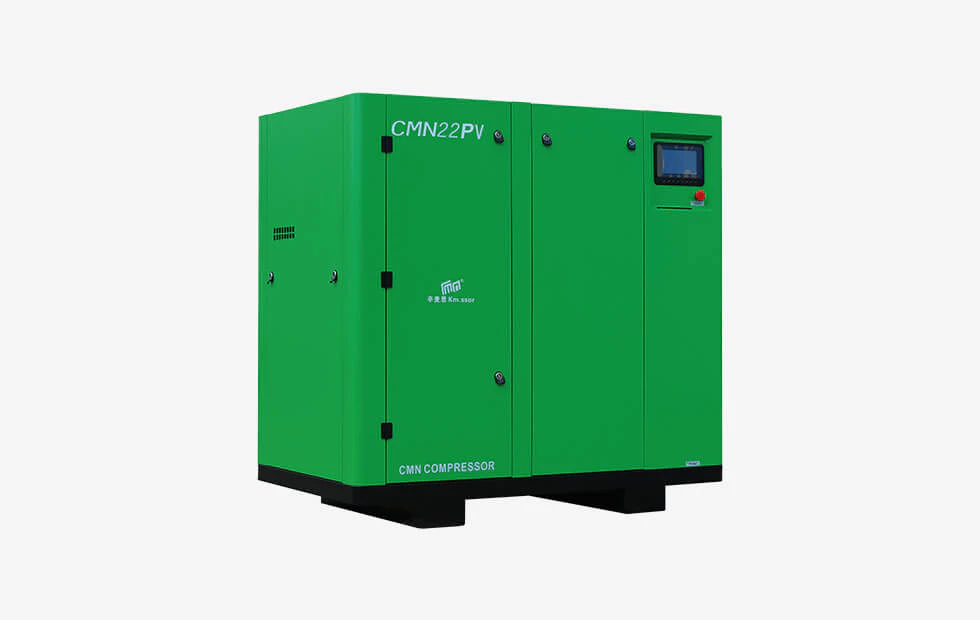
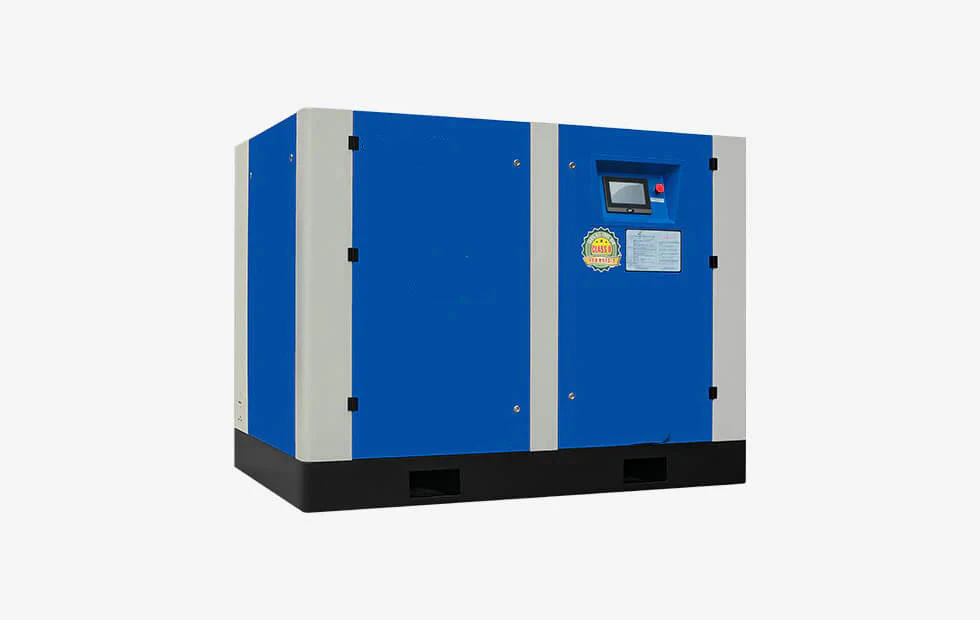
Typical representatives: oil-injected screw compressors (the main force in large factories), piston compressors (common in small repair shops).
Oil-free air compressor: A Revolution in Physical structure
This type of model completely discards lubricating oil and achieves “zero-contact compression” through three methods:
Dry screw: Use precisely machined rotor clearance instead of oil film sealing;
Water lubrication: Pure water is used as the cooling and sealing medium;
Diaphragm technology: Completely contactless compression is achieved through flexible diaphragms.
Typical representatives: dry screw machines (the preferred choice for high-end manufacturing), water-lubricated models (in scenarios with strict environmental protection requirements).
Key Technical Parameter Comparison Table
| Dimension | Oil-Injected Air Compressor | Oil-Free Air Compressor |
| Oil-free Class | None (requires post-compression filtration) | ISO 8573-1 Class 0 Certified |
| Exhaust Oil Contamination | 5-50ppm (requires filtration to <0.1ppm) | <0.01ppm (no additional treatment needed) |
| Energy Consumption | Lower due to oil-cooling efficiency (5%-10% less) | Slightly higher (dry friction, optimized with VFD in some models) |
| Maintenance Cost | Annual oil changes + filters = 5%-8% of equipment cost | Air filter replacements + seal parts only |
Scene Adaptation Guide
Oil-free air compressors are essential scenarios
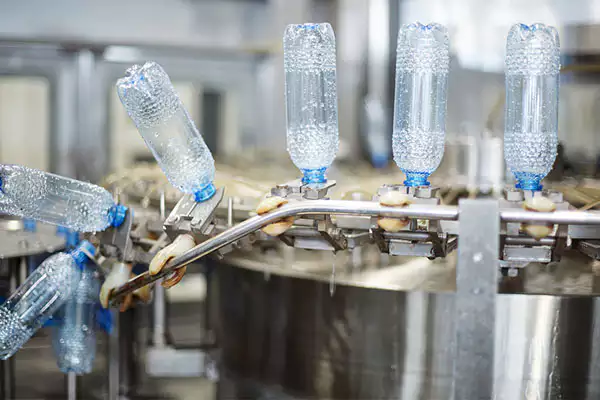
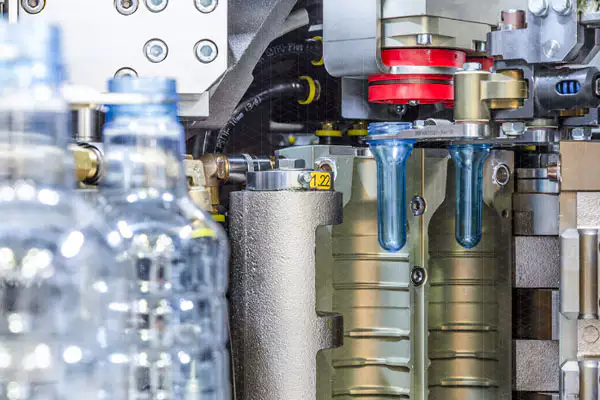
Food and medicine: In bakeries, compressed air is used to blow bottles, and the smell of oil can ruin the flavor of the products.
Electronic chips: When cleaning wafers, a 1-micron oil particle can render the entire batch of chips unusable.
Medical aesthetics: Oil in the air pump of laser surgery may increase the risk of postoperative infection.
High-end spraying: In automotive painting workshops, oil mist can cause “pitting” on the paint surface.
Laboratory: Precision instruments such as gas chromatographs have extremely high requirements for the purity of the gas source.
Scenarios applicable to oil-powered models
General industry: Machine tool pneumatic chucks, cement mixing plants and other scenarios with low requirements for air sources;
Temporary projects: Short-term gas usage at construction sites places more emphasis on the cost of equipment procurement.
Three-step selection method: Avoid These pitfalls!
1. Determine the gas source grade
Medical/food: ISO 8573-1 Class 0 must be selected;
General industry: Class 3 is sufficient (it can be reduced to Class 1 through filtering).
2. Calculate the actual gas consumption
Beware of “armchair theorized” rated power! The actual gas consumption needs to be calculated by the formula:
Total demand = Gas consumption per unit of equipment × Simultaneous usage coefficient (0.7-0.9)
3. Full life cycle cost estimation
Take the 15kW model as an example:
Oil-free machine: It costs an extra 20,000 yuan in the initial stage, but saves 18,000 yuan in oil change costs and 50,000 yuan in downtime losses over three years.
Oil engines: They may seem cheap, but in the long run, they may fall into a vicious cycle of “maintenance – downtime”.
Beware of two major traps:
Semi-oil-free false concept: Some models claim to be “slightly oily”, but the actual measured oil content exceeds the standard.
Power false marking: 20kW model with small workshop, energy consumption waste exceeds 30%.
Conclusion: Your scene determines the answer
Selection formula:
Medicine/Food/Precision manufacturing → Oil-free machine (Purity = quality bottom line)
Short-term gas usage/tight budget → Oil engines (cost-sensitive scenarios);
Long-term use → a full life cycle account must be calculated.
Has your workshop ever encountered air source pollution? Contact us and tell us your industry and concerns to get a free customized selection plan!