
In the field of food and beverage production, compressed air, as a key power source, is widely used in core processes such as packaging, processing, and fermentation. However, traditional oil-lubricated air compressors, due to the risk of oil contamination, have been unable to meet the industry’s high standards for hygiene and safety. Oil-free air compressors, with their features of zero oil pollution, high efficiency and stability, have gradually become the core equipment for ensuring food quality.
I. Technical advantages of oil-free air compressors: Eliminating pollution risks from the source
Zero oil contamination design ensures food contact safety
Oil-free air compressors completely prevent oil from entering the compressed air system by physically isolating or using self-lubricating materials to replace lubricating oil. For instance, the micro reciprocating piston compressor adopts the self-lubricating technology of piston rings. The main moving pair consists of an aluminum alloy cylinder and self-lubricating piston rings, without the need to add any lubricant. Oil-free screw compressors, on the other hand, prevent lubricating oil from leaking into the compression chamber through precise gears and labyrinth seals. This design ensures that the output compressed air meets the ISO 8573-1 Class 0 oil-free certification standard and can be directly used in food contact scenarios, such as beverage filling, packaging sealing, etc., avoiding the risk of product deterioration or return caused by oil contamination.
High efficiency, energy conservation and low maintenance cost
Oil-free air compressors adopt a single-shaft double-cylinder structure or scroll compression technology, significantly enhancing energy efficiency and reducing noise. For instance, the micro reciprocating compressor achieves periodic changes in cylinder volume through a crank-rocker mechanism. The double-cylinder layout doubles the gas flow rate while reducing vibration and noise. The oil-free scroll compressor forms a crescent-shaped compression chamber through the relative motion of the stationary scroll and the moving scroll. It operates with a noise level of only 65dB and supports series control to optimize energy consumption. In addition, the oil-free design reduces the number of vulnerable parts (such as piston rings, seals, etc.), has a low failure rate, and the maintenance cost is reduced by more than 30% compared with traditional oil-lubricated air compressors.

Ii. Core application Scenarios in Food and Beverage Production
1. Packaging stage: Prevent oil stains from seeping in and enhance product hygiene standards
During the inflation packaging process of bottled beverages, ready-to-eat foods, etc., traditional oil-filled air compressors may cause oil droplets to seep into the packaging, affecting the taste and safety of the food. The pure compressed air provided by oil-free air compressors can avoid such problems and ensure that no oil stains are introduced during the packaging process. For instance, after a large packaged food factory replaced its oil-free air compressors, the product return rate dropped by 90%, and production waste was significantly reduced.
2. Raw material transportation and fermentation process: Maintain microbial activity
Compressed air is often used in food processing to push raw materials along pipelines or to provide oxygen for microorganisms during the fermentation process. If the compressed air contains oil, it will inhibit the activity of microorganisms, leading to fermentation failure or product defects. For instance, in the production of yogurt and wine, oil-free compressed air can ensure the normal metabolism of microorganisms and prevent quality fluctuations caused by oil contamination. In addition, the nitrogen produced by oil-free air compressors (through air separation technology) can be used to extend the shelf life of boxed or canned food, and there is no need to worry about the contamination of food by oil.
3. Cleaning and drying: Ensuring the quality of equipment and products
The dry air produced by oil-free air compressors can be used to clean equipment, conveying pipelines and molds, avoiding contamination and residue. For instance, in the production of chocolate and pastries, oil-free compressed air can efficiently clean the molds, ensuring the appearance and quality of the products. In the industrial cleaning process, its dry air flow can quickly dry the containers, preventing water from breeding bacteria.
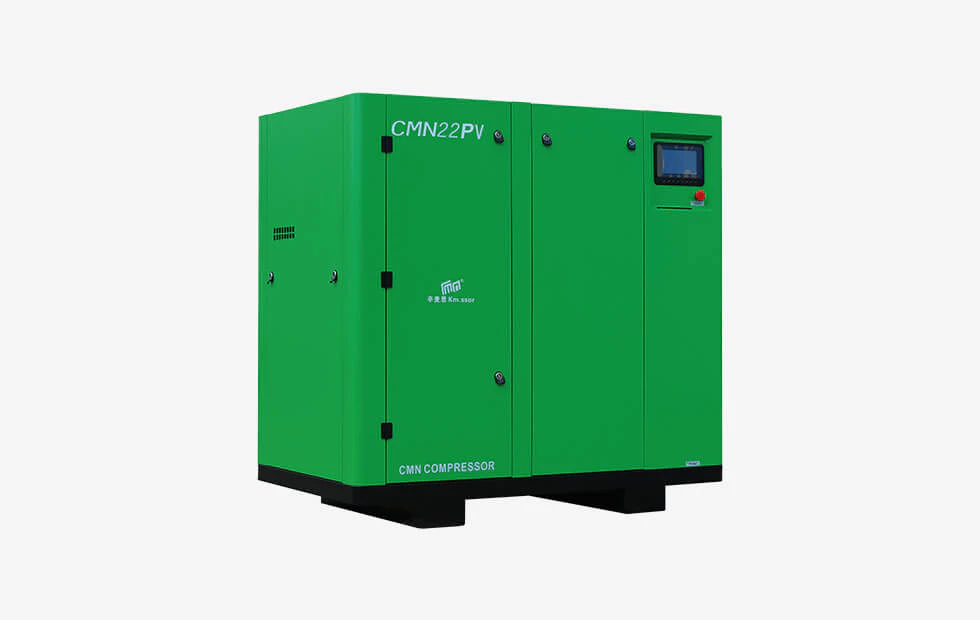
Iii. Industry Trends and Policy Drivers: The market for oil-free air compressors continues to grow
Market size and growth potential
According to industry reports, the market size of oil-free air compressors in China reached 19.749 billion yuan in 2023, while the global market size was 91.643 billion yuan. It is expected that the global market size will reach 125.23 billion yuan by 2029, with a compound annual growth rate of 4.9%. Food manufacturing, as one of the core application fields, has a continuously rising demand for oil-free air compressors, driving enterprises such as Atlas Copco and Ingersoll Rand to increase investment in technological research and development.
Policy and standard promotion
With the advancement of the “low-carbon and environmental protection” policy, the food industry is accelerating the elimination of high energy-consuming and highly polluting equipment. Oil-free air compressors, due to their energy-saving and environmentally friendly features, have become the top choice for enterprises to upgrade to compliance. For instance, China’s “National Food Safety Standard” clearly stipulates that compressed air used in food contact must meet oil-free standards, further driving the popularization of oil-free air compressors.
Iv. Future Outlook: Intelligence and Material Innovation Lead the upgrade
In the future, oil-free air compressors will achieve breakthroughs through intelligent control technology and the application of new materials. For instance, oil-free scroll compressors equipped with MICOM controllers can monitor their operating status in real time and optimize energy consumption. The scroll main unit with special surface treatment process can enhance durability and extend service life. In addition, modular design enables enterprises to flexibly adjust performance according to their needs and reduce upgrade costs.

Conclusion
Oil-free air compressors, with their features of zero oil pollution and high energy efficiency, have become indispensable core equipment in food and beverage production. Its application not only enhances product safety and quality, but also helps enterprises meet regulatory requirements and reduce operating costs. With the continuous improvement of hygiene and safety standards in the industry, the popularization of oil-free air compressors will further accelerate, providing a solid guarantee for the sustainable development of the food industry.