
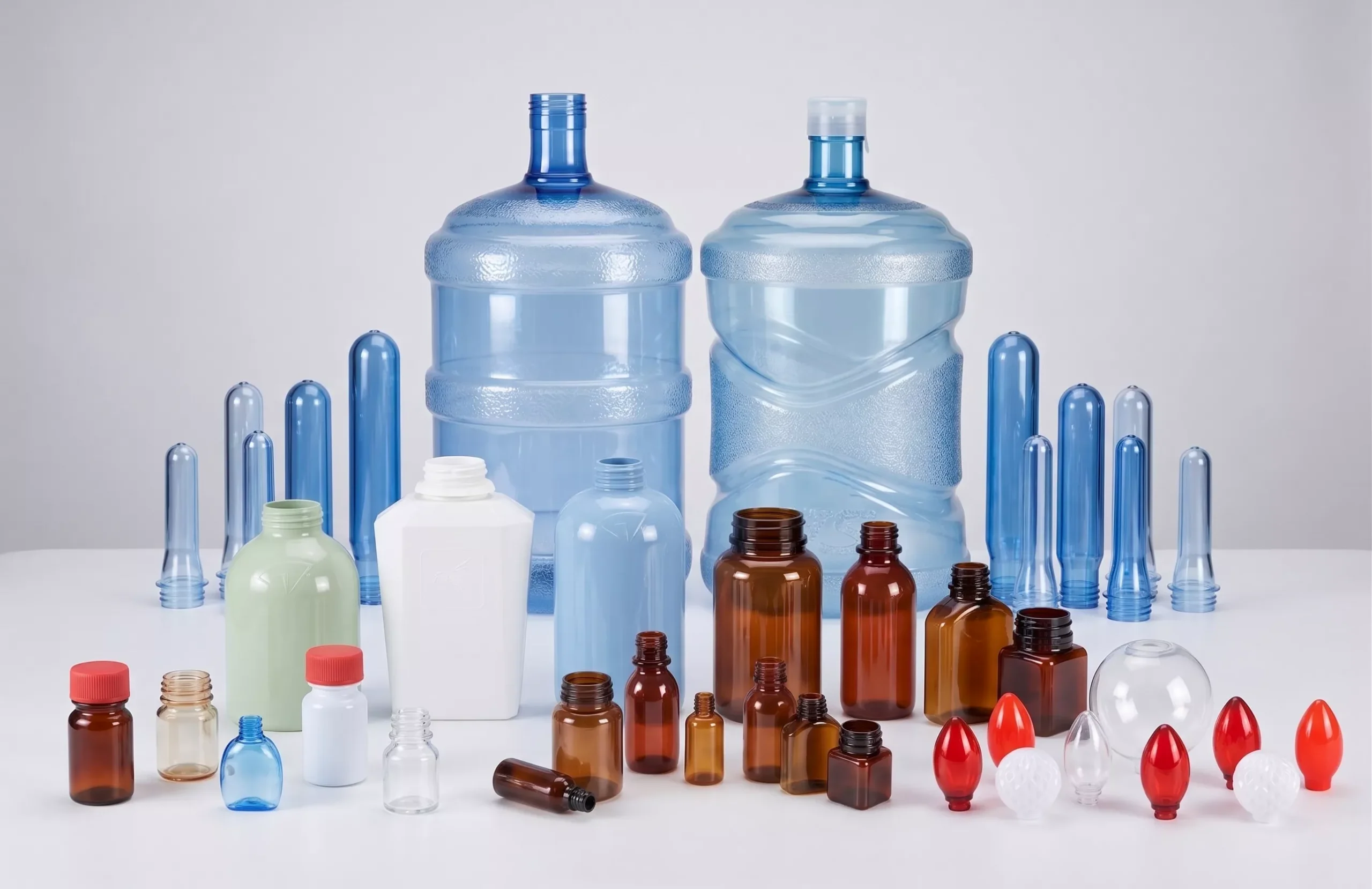
Every PET bottle that reaches a consumer — whether filled with mineral water, carbonated soda, edible oil, juice, or pharmaceutical syrup — was shaped by high-pressure compressed air. The blow molding process forces heated preforms against mold walls at 20–40 bar, and the quality of that compressed air is directly embedded in the quality of every bottle that comes off the line. Yet the choice between oil-free and oil-injected compressors for PET blowing is still misunderstood in many facilities, and the consequences of getting it wrong range from costly batch scrapping to serious food safety violations.
This article examines the technical, regulatory, and economic differences between the two compressor types in the specific context of PET bottle blowing — and explains why the air quality classification system that governs this choice, ISO 8573-1, matters more than any individual compressor specification.
How Oil Enters Compressed Air — and Why It Cannot Leave
In an oil-injected rotary screw compressor, lubricating oil is deliberately introduced into the compression chamber. It serves essential functions: sealing the clearances between rotors, lubricating the rotor contact surfaces, and removing compression heat. Without it, the compressor cannot function. The problem is that oil and compressed air share the same space during compression, and separating them completely afterward is physically impossible.
After compression, the oil-air mixture passes through an oil separator that removes the bulk of the oil — typically achieving residual oil content of 2–5 ppm at the compressor outlet under ideal conditions. Downstream coalescing filters and activated carbon adsorbers can reduce this further. But these filtration stages introduce critical vulnerabilities that do not exist in structurally oil-free designs:
- Filter saturation degradation: Coalescing filter efficiency drops as elements approach saturation. An element past its service interval may pass oil at multiples of its rated residual concentration.
- Activated carbon breakthrough: Carbon adsorbers have a finite oil vapour adsorption capacity. Once exhausted, oil vapour passes through without any visible indication until downstream contamination is detected.
- Thermal desorption: At elevated air temperatures, previously adsorbed oil vapour can desorb from filter media back into the air stream — a contamination event triggered not by filter failure but by operating temperature changes.
- Bypass and seal failures: Filter housing O-rings, bypass valves, and differential pressure indicators are mechanical components subject to wear and failure. Any failure in the post-treatment train can result in undetected oil carryover to the blow mold.
In food and beverage packaging, none of these failure modes is acceptable. A single oil contamination event in a PET bottle blowing operation can result in product recalls, regulatory enforcement actions, retailer delisting, and reputational damage that far exceeds the cost of a higher-specification compressor installation.
ISO 8573-1: The Standard That Defines Compressed Air Purity
ISO 8573-1 is the international standard that classifies compressed air quality by the concentration of three contaminant types: solid particles, water content (pressure dew point), and oil content. The oil content classification runs from Class 1 (≤0.01 mg/m³) through Class 5 (≤25 mg/m³), with Class 0 representing the most stringent category — defined as more stringent than Class 1, with the specific limit set by agreement between the user and supplier.
| ISO 8573-1 Oil Class | Max Oil Content (mg/m³) | Achievable By |
|---|---|---|
| Class 0 | As specified (typically 0 ppm) | Oil-free compressors only |
| Class 1 | ≤ 0.01 | Oil-injected + multi-stage filtration |
| Class 2 | ≤ 0.10 | Oil-injected + coalescing filter |
| Class 3 | ≤ 1.00 | Oil-injected + basic filtration |
| Class 4–5 | ≤ 5–25 | Oil-injected, minimal or no filtration |
For PET bottle blowing in food, beverage, and pharmaceutical applications, the applicable quality level is Class 0. This is not merely a recommendation — it is the baseline requirement of most major food safety frameworks including HACCP, FSSC 22000, BRC Global Standards, and pharmaceutical GMP guidelines such as EU GMP Annex 1. The critical distinction is that Class 0 cannot be reliably achieved by oil-injected compressors with filtration, because the filtration train is not structurally oil-free — it is oil-reducing, and the difference matters.
The Structural Difference: Source vs Filter
An oil-free compressor achieves Class 0 at the source. No oil enters the compression chamber at any point in the operating cycle, so no oil can appear in the compressed air output regardless of operating conditions, temperature variations, or maintenance state. This structural guarantee is the fundamental reason that ISO 8573-1 Class 0 certification is only achievable with oil-free compression technology.
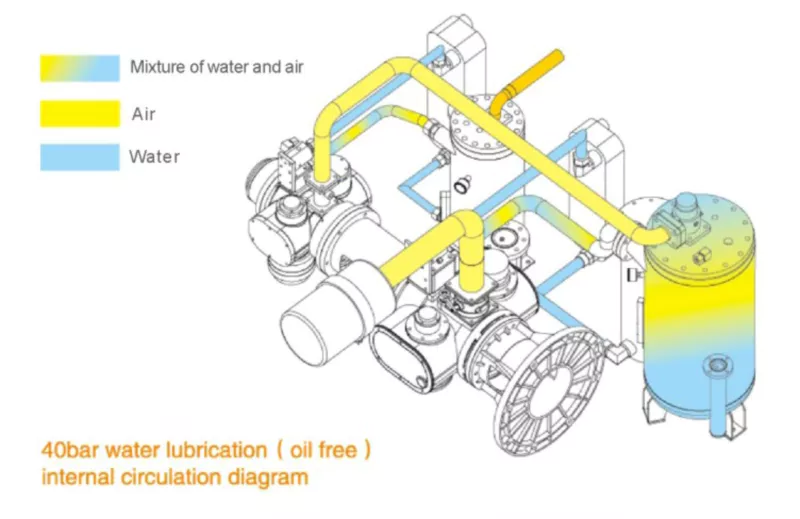
Water-lubricated oil-free screw compressors achieve this by replacing lubricating oil entirely with pure water. Water injected into the compression chamber performs all four functions that oil performs in conventional designs — lubrication of the screw-star wheel interface, sealing of compression clearances, cooling of the compression process, and heat removal from the air end — without introducing any substance that could contaminate the compressed air supply. The water-air mixture is separated after compression, the water is filtered and recirculated, and the compressed air exits the separation vessel with zero oil content by design.
In contrast, an oil-injected compressor with downstream filtration achieves Class 0 by reduction — starting with oil-contaminated air and removing contamination at each filtration stage. The air quality at any given moment depends on the current condition of every filter element in the treatment train, the operating temperature of the compressed air, the integrity of all filter housing seals, and the calibration of monitoring instruments. Each of these is a variable; none of them is a structural guarantee.
What Oil Contamination Actually Does in a PET Blowing Operation
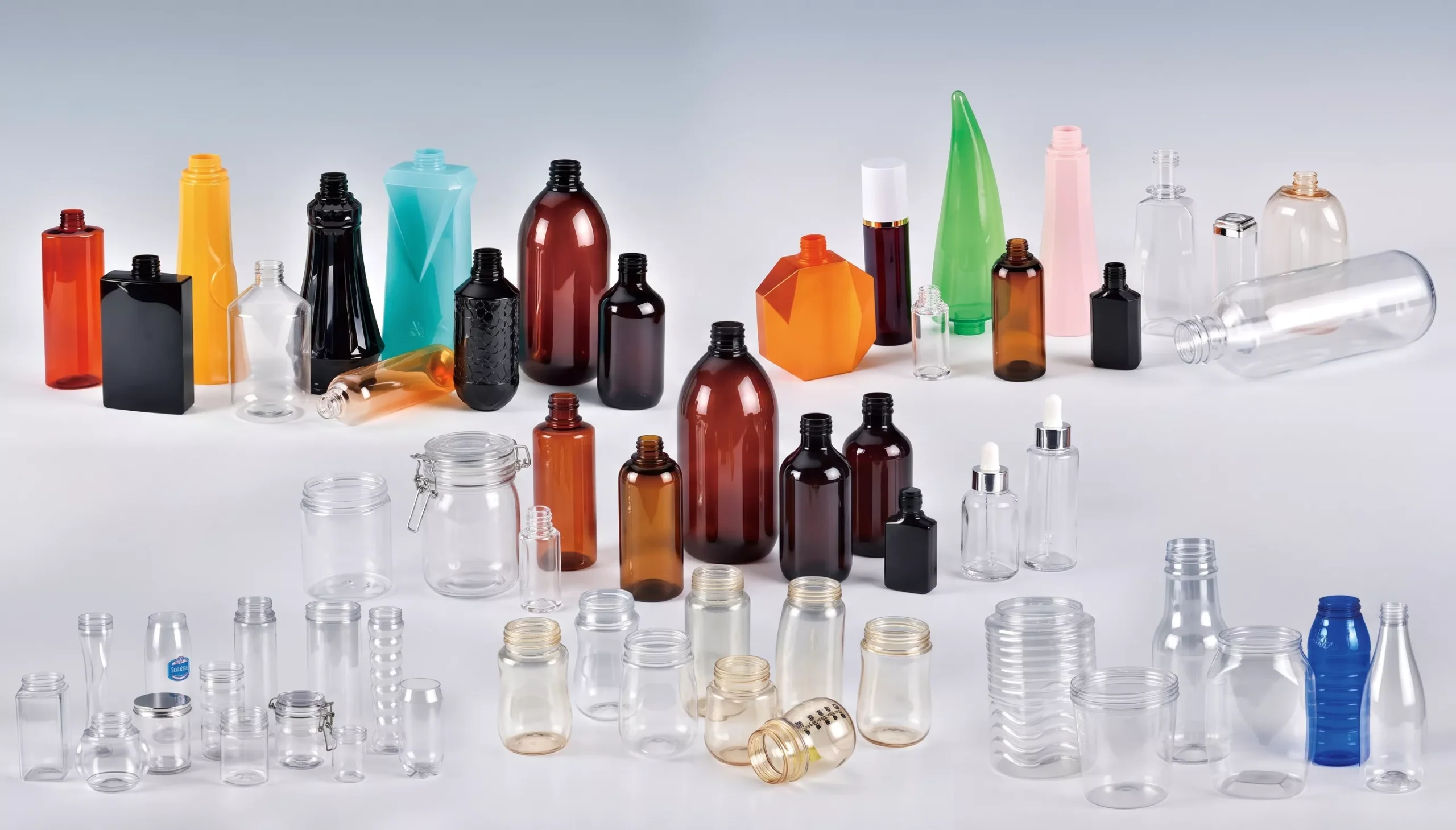
Oil contamination in PET blowing air manifests in several distinct failure modes, each with different detection timing and cost profiles:
- Mold surface contamination: Oil deposits on the internal surfaces of blow molds gradually build up, affecting the dimensional accuracy of the finished bottle and causing surface defects. Mold cleaning becomes more frequent, with associated production downtime and the risk of mold surface damage from aggressive cleaning agents.
- Bottle interior contamination: Oil carried through the blow air enters the finished bottle interior. In beverages and liquid food products, this creates odour and taste defects that consumers can detect at concentrations as low as 0.1 ppm. In pharmaceutical packaging, any oil contamination of the bottle interior is an immediate product failure.
- Preform failure: At 40 bar blow pressure, oil vapour in the compressed air contacts the heated PET preform during the stretch phase. At elevated temperature, some oil fractions can interact with the PET polymer surface, affecting clarity, structural integrity, and barrier performance.
- Downstream equipment fouling: Oil carryover deposits in compressed air distribution pipework, pressure regulators, and pneumatic actuators on the blow molding machine — increasing maintenance frequency and creating reservoirs of contamination that persist even after the source compressor is upgraded.
Total Cost of Ownership: The Hidden Economics
Oil-injected compressors typically carry a lower purchase price than equivalent oil-free models. This upfront difference is frequently cited as the justification for selecting oil-injected technology in cost-sensitive PET blowing projects. The full cost-of-ownership picture over a five- to ten-year horizon tells a different story.
| Cost Category | Oil-Injected + Filtration | Water-Lubricated Oil-Free |
|---|---|---|
| Purchase price | Lower | Higher |
| Oil consumable cost (annual) | Significant ongoing cost | Zero |
| Oil filter / separator replacement | Every 1,000–4,000 hours | Not applicable |
| Activated carbon replacement | Per schedule | Not applicable |
| Oil-contaminated condensate disposal | Hazardous waste cost | Zero discharge |
| Energy consumption | Higher (adiabatic compression) | Lower (isothermal compression) |
| Contamination-related batch loss risk | Present throughout service life | Eliminated at source |
| Regulatory audit complexity | Filter maintenance records required | Structural certification — simpler audit |
When oil change costs, filter consumable budgets, hazardous waste disposal fees, and the actuarial risk of contamination-related product recalls are included in the lifecycle cost calculation, the total cost of ownership of a water-lubricated oil-free compressor is typically lower than an equivalent oil-injected installation over a five-year horizon — before accounting for the energy saving from isothermal compression.
Making the Right Choice for Your PET Blowing Operation
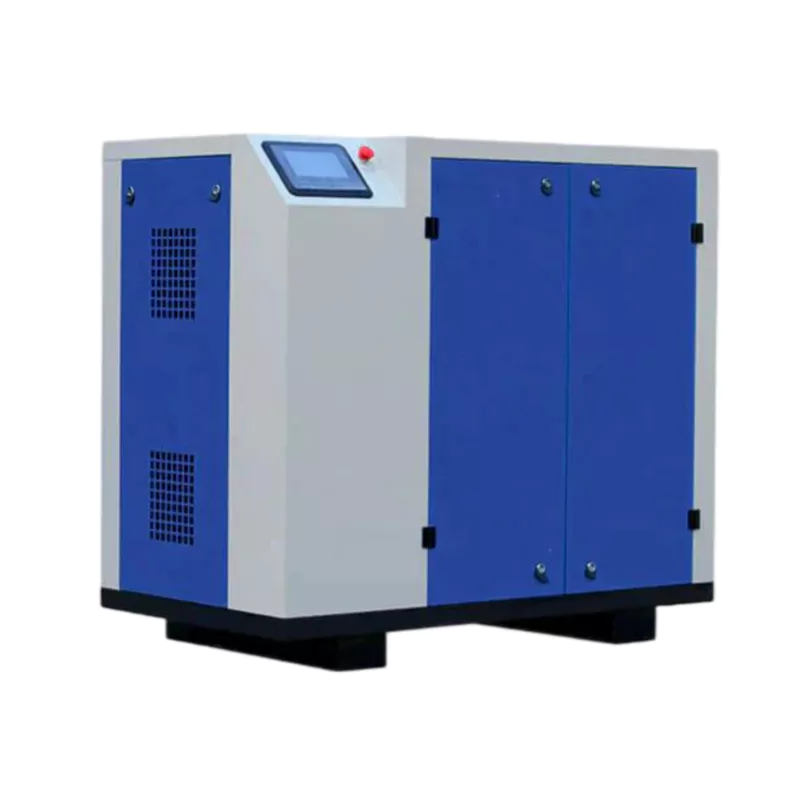
For new PET blowing installations in food, beverage, pharmaceutical, or cosmetics applications, the specification should be Class 0 oil-free compressed air — and the compressor technology should be oil-free at the source, not oil-reduced by filtration. The practical choice within oil-free technology is between dry oil-free screw compressors and water-lubricated oil-free screw compressors. Water-lubricated designs offer significant advantages at the pressures required for PET blowing: single-stage compression to 40 bar, isothermal efficiency, ultra-low discharge temperature, and a design service life that typically exceeds 25 years.
For existing installations using oil-injected compressors, the risk is not zero. Each filter service interval is a window during which oil carryover can occur undetected. Each temperature fluctuation is a potential source of carbon adsorber breakthrough. Each seal wear event in the filtration train is a potential contamination pathway. The question for facility managers and quality directors is not whether oil-free technology is preferable — the answer to that question is straightforward. The question is when the risk-adjusted cost of continuing with oil-injected technology exceeds the cost of conversion. For most food and beverage packaging operations, the analysis favours conversion sooner rather than later.